Bought It, Regretted It, Can't Return It: How Tech Companies Stack the Deck Against You
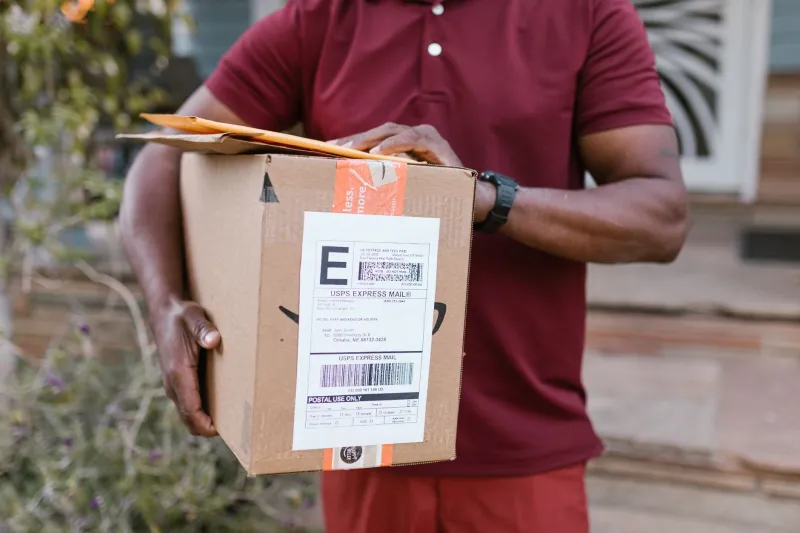
Purchasing a new piece of tech has never been easier. A few taps, a saved credit card, and a drone-delivered box arrives before you've even finished second-guessing yourself. But try to reverse that transaction when the product turns out to be a dud? Suddenly you're navigating a maze of fine print, hunting for packing tape at 11pm, and wondering whether the $35 restocking fee makes the whole thing pointless.
This isn't an accident. The friction built into modern tech return processes is, in many cases, deliberately engineered. And understanding how it works is the first step to not getting burned.
The Asymmetry Is the Point
Retailers and manufacturers have spent decades optimizing the purchase experience. One-click buying, saved addresses, instant digital receipts — every obstacle between you and spending money has been systematically removed. The return process has received no such attention, and that's entirely by design.
Research in consumer behavior consistently shows that the harder a return is to execute, the less likely people are to follow through. Companies know this. A 2023 study from the National Retail Federation found that return fraud and abuse cost retailers billions annually — which is the justification they lean on publicly. But the policies that result from that concern apply equally to completely legitimate, good-faith returns from customers who just bought something that didn't work or didn't fit their needs.
The result is a system where the burden falls almost entirely on the buyer.
How the Friction Gets Built In
Let's talk specifics, because the tactics are more layered than most people realize.
Short return windows that start at purchase, not delivery. A 15-day or 30-day return window sounds reasonable until you realize the clock started ticking when you clicked "buy," not when the box arrived on your porch. Factor in a few days of shipping, a weekend where you didn't have time to set it up, and a week of actually trying to make the thing work — and you may already be close to the deadline before you've decided you hate it.
Restocking fees that quietly appear at checkout. Some manufacturers, particularly in the laptop, TV, and audio equipment space, charge restocking fees of 10% to 25% on opened products. These fees are often buried in the terms and conditions during purchase, only becoming visible when you initiate a return. On a $600 pair of headphones, that's up to $150 just for changing your mind.
The "original packaging" requirement. This one is almost poetic in its cruelty. You're expected to keep the box — the exact box you ripped open with excitement — in pristine condition, just in case. Plenty of people toss packaging immediately. Manufacturers know this. Requiring it for a valid return is less about logistics and more about attrition.
Prepaid labels that aren't actually prepaid. Some companies advertise "free returns" but make you generate the label yourself, drop it at a specific carrier location (not your mailbox), and track the shipment independently. If something goes wrong in transit, proving the item was returned often becomes its own nightmare.
Customer service designed to exhaust, not resolve. Long hold times, chatbots that loop endlessly, return portals that keep throwing errors — these aren't just poor UX. They function as a filter. A certain percentage of frustrated customers will give up before completing the return, and companies factor that into their margins.
The Psychology Behind Why We Give Up
Beyond the logistical hurdles, there's a psychological dimension worth acknowledging. Once we own something — even something we don't like — we tend to attach value to it. Behavioral economists call this the endowment effect. Combined with the sunk cost of the time already spent setting up the device, many people convince themselves the product isn't that bad rather than go through the hassle of sending it back.
Manufacturers benefit from this. Every day you keep the product and rationalize its shortcomings is a day closer to the return window closing.
What to Do Before You Buy
The smartest move is to do your return research before you hand over your credit card number. Here's the checklist worth running through:
- Read the return policy on the manufacturer's site, not just the retailer's. These can differ significantly, and some manufacturer warranties don't cover what you'd expect.
- Screenshot the policy at time of purchase. Policies change, and having a timestamped record protects you if a company tries to claim different terms later.
- Check whether your credit card adds return protection. Several premium cards — including many from Chase, Amex, and Citi — offer extended return windows or purchase protection that can cover you even when the retailer won't.
- Buy from retailers with generous return policies when possible. Costco's return policy on electronics is famously lenient. Amazon's is generally solid on items fulfilled directly. B&H and Best Buy have their own quirks, but both are more navigable than buying direct from some manufacturers.
- Ask about restocking fees explicitly before purchasing. If you're buying in-store or via chat, get it in writing. A screenshot of a chat conversation where a rep confirms no restocking fee has saved more than a few people real money.
If You're Already Stuck
If you're already in the middle of a frustrating return situation, don't give up before trying these escalation paths:
Dispute the charge with your credit card issuer. If a product arrived broken, didn't match its description, or a company is refusing a return they're obligated to accept under their own policy, a chargeback is a legitimate option. It's not a loophole — it's a consumer protection mechanism that exists specifically for this.
File a complaint with the FTC or your state AG's office. This takes about ten minutes and, for larger companies, actually gets attention. It also creates a paper trail that can matter if the issue escalates.
Use social media strategically. A calm, factual post tagging a brand's official account has an outsized success rate compared to phone support. Companies monitor public-facing complaints more closely than they'd like to admit.
Check if your state has specific consumer protection laws. California, New York, and several other states have regulations around return policies that go beyond federal baseline protections. If a company is operating in violation of state law, that's leverage.
The Smarter Play Going Forward
None of this means you should stop buying tech — obviously. But treating the return policy as part of the product spec is a genuinely useful mental shift. Before you get excited about a new gadget, spend two minutes asking: if this disappoints me, how hard is it to undo this purchase?
The companies that make returns easy — and there are some — are often signaling something about how confident they are in their products. The ones that build in every possible obstacle? They're telling you something too.
Buying smart isn't just about finding the best specs at the best price. It's about understanding the full transaction, including the exit.