Touching Down: How to Land on the Right Tech Setup Without Wasting Money
Most of us never actually plan our tech purchases — we just land on them. Here's a smarter way to figure out what you actually need before the next impulse buy.

Smarter Tech for a Sharper Life
Most of us never actually plan our tech purchases — we just land on them. Here's a smarter way to figure out what you actually need before the next impulse buy.

That sleek smart home setup looked like a one-time investment — until the subscription fees, forced upgrades, and compatibility nightmares started stacking up. Here's the real price tag behind the connected home, and how to build one that won't hold your wallet hostage.
Buying refurbished tech used to feel like a gamble. In 2024, it's starting to look like the savvier move — backed by warranty programs, satisfaction data, and a growing market of buyers who've quietly stopped paying full price. Here's what the refurb revolution actually looks like up close.
Apps that once ran smoothly now crawl, drain your battery, and hog storage — and it's not a coincidence. We dug into the mechanics of software bloat, talked to developers about the pressures driving it, and found some practical ways to fight back without buying a new phone.
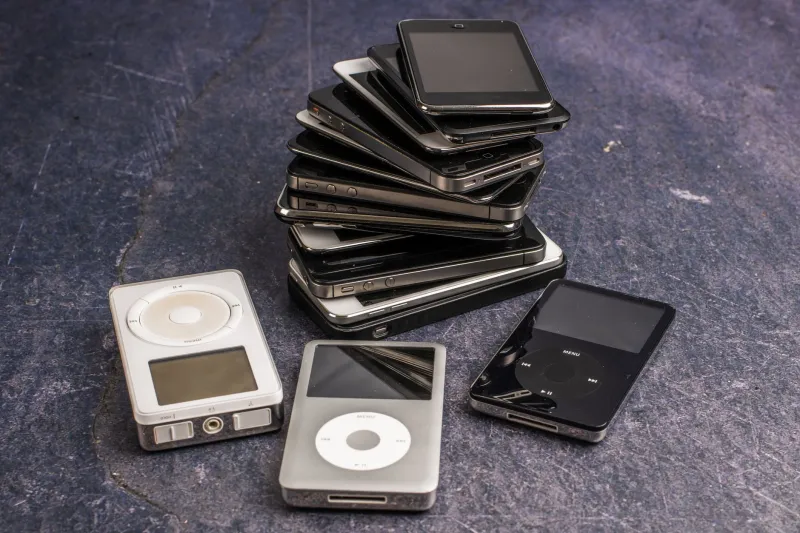
That pile of forgotten phones and dusty tablets isn't just clutter — it's quietly costing you money, creating security risks, and bleeding trade-in value by the month. We dug into the real financial toll of tech hoarding and found the numbers are worse than most people expect.
AI is being bolted onto everything right now, but the actual productivity gains depend entirely on which tools you're using and what you're asking them to do. We ran real work scenarios across writing, image creation, scheduling, and coding assistance — and the results were a lot more uneven than the marketing suggests.
Picking one ecosystem used to feel like the safe bet. These days, the smartest setups are deliberately mixed — pulling the best hardware from Apple, Google, and Microsoft without getting trapped by any of them. Here's how to actually make that work without turning your tech life into a compatibility nightmare.
When your device breaks, the last thing you expect is for the company that sold it to make getting help feel like a full-time job. But that frustration isn't accidental — it's engineered. Here's what's really going on behind those endless chatbots and hold music.
That notification promising a better, faster experience might actually be the first step in a chain reaction that ends with you buying new hardware. Software updates marketed as free improvements are increasingly functioning as stealth upgrade mandates — and the true cost is way more than zero.
Leaving Apple, Google, Microsoft, or Amazon isn't just a settings change — it's a logistical marathon that most guides completely underestimate. Here's what switching platforms actually costs you in time, money, and sanity, plus the tools and strategies that make it survivable.
Independent repair shops are quietly dismantling the idea that a cracked screen or dead battery means buying something new. The right-to-repair movement is gaining serious momentum — and manufacturers are not happy about it. Here's what's actually happening out there, and why it matters to your wallet.
Tech services vanish all the time — sometimes with a 30-day notice, sometimes with almost none at all. Before you lose years of photos, notes, or messages to a quiet server shutdown, here's what you need to know about where your data goes and how to get it out in time.
There's a pattern too consistent to ignore: devices that hum along perfectly for 11 months, then suddenly develop problems right after the warranty clock expires. We dug into the business mechanics behind this timing — and found out what you can actually do about it.
Not every device with a WiFi chip and an app deserves the 'smart' label. We break down which connected features actually make your life easier and which ones are just marketing dressed up in silicon, helping you figure out what genuinely intelligent tech looks like for your day-to-day.
A growing number of tech-savvy Americans are done pledging allegiance to a single platform. Instead, they're building custom stacks of devices, apps, and services that actually fit the way they work — even when those pieces weren't designed to coexist.
Buying a gadget takes about three minutes. Returning one? That can take three weeks, two phone calls, a printer, and a restocking fee you never saw coming. Here's how manufacturers deliberately engineer the return process to wear you down — and how to fight back before you're stuck with something you hate.
Your two-year-old phone isn't broken — it's just been made to feel that way. Tech manufacturers have quietly perfected a playbook of design choices and software nudges that make perfectly capable devices feel obsolete on a schedule. Here's how to see through it, and how to actually fight back.
A growing number of Americans are ditching their latest flagship devices in favor of older, simpler tech — and they're not looking back. Turns out, fewer features can mean less stress, sharper focus, and a fatter wallet. Here's what the tech downgrade movement is actually about.
Most Americans are quietly hemorrhaging money on tech subscriptions they signed up for, forgot about, and never canceled. Between free trial traps, buried billing cycles, and cleverly disguised line items on your credit card statement, the average person is spending far more than they realize. Here's a practical framework for hunting them down and deciding what actually deserves your money.
Your phone powers on, makes calls, and runs apps — so why does it feel like everything is getting slower and more broken? The answer isn't your imagination. Carriers and developers have been quietly pulling the rug out from under older devices at the infrastructure level, and most people have no idea it's happening.