Skip the Gimmicks: 5 Smart Devices That Earn Their Keep (And 5 That Just Take Up Wi-Fi)
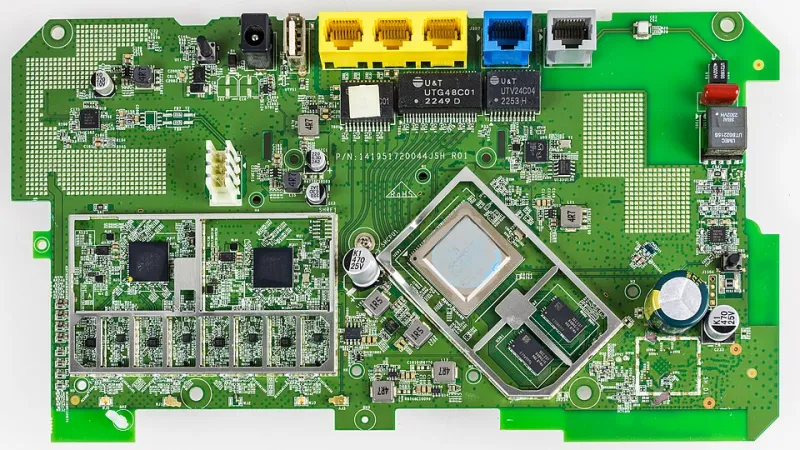
Photo: Raimond Spekking, CC BY-SA 4.0, via Wikimedia Commons
Every year, the smart home aisle gets louder. Every year, a chunk of that stuff ends up in a junk drawer by March.
So instead of another hype roundup, we did the unglamorous math. For each device category, we asked three questions: How long will the software actually be supported? How much real time or money does it save per month? And does it work — fully — without a subscription?
Anything that failed two of the three didn't make the "worth it" list. Here's how it shook out.
The Winners
1. Smart thermostats
Still the reigning champ of the smart home. Models like the Ecobee Smart Thermostat Premium and Google Nest Learning Thermostat (4th gen) typically pay for themselves in 12 to 24 months through heating and cooling savings — the Department of Energy estimates proper thermostat management cuts HVAC costs by up to 10%. Both major players offer local scheduling without a subscription, and utility rebate programs across the US frequently knock $50 to $100 off the sticker price.
Score: Support 9/10, savings 9/10, subscription-free 10/10.
2. Video doorbells (with local storage options)
The convenience is real — package alerts, porch pirate deterrence, answering the door from your desk. The catch is the subscription: Ring and Nest both want $3 to $15 a month for cloud recording. Our workaround: Eufy and Reolink doorbells with onboard or local hub storage skip the fee entirely. Buy once, done.
Score: Support 8/10, savings 7/10, subscription-free 6/10 (choose carefully).
3. Smart plugs
The most boring product on this list is also the best value in tech. A $12 plug turns any dumb lamp, fan, or coffee maker into a scheduled, automated device. No hub, no fees, no learning curve. Measured honestly, a smart plug saves maybe two minutes a day — but it also kills the "did I leave the iron on?" anxiety, which is worth something.
Score: Support 8/10, savings 6/10, subscription-free 10/10.
4. Robot vacuums with self-emptying docks
The jump from "robot vacuum" to "robot vacuum that empties itself" is the difference between a gadget and a chore-eliminator. Current midrange models from Roborock and Shark run $400–$700, and our back-of-napkin math puts time reclaimed at roughly 90 minutes a week for a typical single-family home. Skip the model with a required cloud subscription for advanced features — plenty now work fully offline.
Score: Support 7/10, savings 9/10, subscription-free 8/10.
5. Smart smoke and CO detectors
Nobody gets excited about these, which is exactly why they're underrated. First Alert and Google Nest detectors that ping your phone when you're away are a genuine safety upgrade, many insurers offer discounts of 5–10% for monitored safety devices, and there's no ongoing fee. It's the rare smart purchase that's about peace of mind more than convenience.
Score: Support 9/10, savings 5/10, subscription-free 10/10.
The Paperweights
1. Smart refrigerators with screens
A $4,000 appliance whose headline feature is a tablet that will feel ancient in three years — and whose smart module may outlive the software support that made it useful. Samsung's Family Hub has improved, but the core pitch (look inside your fridge from the store) solves a problem most people don't have.
2. Subscription-required smart mirrors
Mirror, mirror, on the wall — why do you need $30 a month to show me the weather? Fitness mirrors like Lululemon's Mirona-era Mirror burned early adopters when the subscription model wobbled. Hardware you can't use without a fee is a lease, not a purchase.
3. Wi-Fi enabled toasters and air fryers
You will never start your toaster from the couch. Stop pretending you might.
4. Smart buttons that only work in one ecosystem
A $20 physical button that triggers a single brand's scenes adds friction, not convenience, the moment you own anything else. A good scene automation on your phone does the same job for free.
5. Smart water bottles and smart cupholders
If you need a sensor to remind you to drink water, the sensor isn't the problem.
The Framework, Distilled
Before buying anything with "smart" on the box, run the same three filters we used:
- Longevity: Is there a stated support window, and does the company have a track record of keeping old hardware alive? Matter certification is a good sign — it means the device should outlive any single app.
- Payback: Does it save real time or real money, and how fast?
- Freedom: Does it work fully without a subscription? If the answer is no, price the fee over five years — that $5/month "feature" is a $300 tax on your own hardware.
Two out of three is acceptable. One out of three means the device is smarter than you think: smart enough to take your money, not smart enough to give anything back.