Phantom Devices, Real Costs: What That Drawer Full of Old Gadgets Is Actually Doing to Your Finances
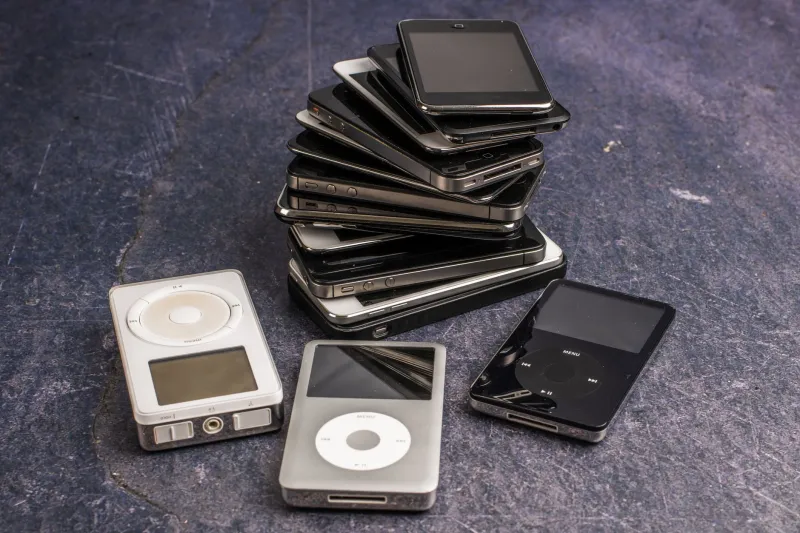
Somewhere in your home — a kitchen drawer, a closet shelf, maybe that cardboard box you keep telling yourself you'll sort through — there's a graveyard. Not a dramatic one. Just a slow accumulation of phones you upgraded away from, tablets that got replaced, fitness trackers you stopped wearing, and earbuds that lost their charge somewhere around 2021 and never recovered.
Most of us treat these devices like retired employees: we stop paying attention to them, assume they're fine, and move on. But here's the thing — they're not just sitting there doing nothing. They're costing you. Quietly, consistently, and in ways that don't show up on any single bill.
The Trade-In Clock Is Always Running
Let's start with the most obvious hit: trade-in value. If you've been holding onto a three-year-old iPhone or a Samsung Galaxy from a couple of generations back, you've probably noticed that trade-in offers don't stay flat. They drop. Sometimes dramatically.
A device that would've fetched $200 in trade-in credit eighteen months ago might be worth $80 today — and $30 in another year. Manufacturers and resellers price used devices based on what's current, and as new hardware releases stack up, older models slide further down the value chain. Every month you leave a gadget in a drawer is a month you're losing real money.
And it compounds. If you've got three or four forgotten devices — which, honestly, is pretty common for households that've been upgrading on regular cycles — you could be sitting on $500 or more in declining trade-in value right now.
Unpatched and Unsecured: The Security Problem Nobody Talks About
Here's where things get a little more uncomfortable. Old devices that aren't actively used tend to stop receiving software updates. Sometimes that's because the manufacturer officially dropped support. Sometimes it's because nobody's bothering to tap "update" on a phone that hasn't been charged since Thanksgiving.
Either way, those devices become security liabilities — especially if they're still connected to your home Wi-Fi network. An unpatched phone sitting idle on your network is essentially an unlocked back door. It's running outdated software with known vulnerabilities, it may still have apps with access to old accounts, and it's not being monitored by anyone.
Security researchers have repeatedly flagged abandoned smart home devices and old mobile phones as entry points for network intrusions. If your home network is shared across your laptop, your smart TV, your thermostat, and your bank's mobile app, a compromised old device can become everyone's problem fast.
The fix isn't complicated — factory reset anything you're not actively using, and either sell it, recycle it, or store it completely offline. But it requires actually doing something with the pile instead of ignoring it.
Battery Degradation: It's Not Just the Old Device Suffering
This one surprises people. Lithium-ion batteries that sit in a partial or full charge state for extended periods degrade faster than batteries that are regularly cycled. That's expected. What's less expected is the physical risk that comes with severely degraded batteries in devices stored in tight spaces — think drawers, boxes, or bags.
Batteries that have swollen or degraded past a certain point can, in rare cases, off-gas or cause damage to nearby items. If you've got an old phone wedged between other electronics or stored in a laptop bag with your current gear, a compromised battery is more than an inconvenience. It's a potential hazard.
The smarter move is to check old devices periodically. If a battery has visibly swollen or the device won't hold a charge at all, it needs proper disposal — not another six months in a drawer.
The Opportunity Cost You're Probably Not Calculating
Beyond the security and safety angles, there's a simpler financial reality: idle tech has value, and leaving it idle means forgoing that value indefinitely.
Certified pre-owned device markets are genuinely robust right now. Platforms like Swappa, Back Market, and even carrier trade-in programs are actively buying used hardware. The demand is real. People who can't or don't want to pay flagship prices are actively looking for last-gen devices in good condition.
If you've got a working phone or tablet that's just sitting around, someone out there would pay you for it today. That's money you could put toward your next upgrade, roll into a subscription you actually use, or just keep. Leaving it in a drawer doesn't feel like a financial decision, but it absolutely is one.
How to Actually Deal With the Pile
Okay, so you're convinced the drawer needs addressing. Here's a practical framework that doesn't require a full Saturday.
Do a quick audit first. Pull everything out, make a list. Note the model, approximate condition, and whether it still powers on. This takes maybe twenty minutes and gives you a real picture of what you're working with.
Check trade-in values before assuming something's worthless. Use Apple's trade-in estimator, Samsung's trade-in tool, or a third-party site like Swappa's value checker. You might be surprised what's still worth something.
Factory reset anything you're selling or recycling. This is non-negotiable. Sign out of all accounts, wipe the device, and remove any SIM or storage cards. Don't skip this step.
Use certified e-waste programs for devices that aren't sellable. Best Buy, Staples, and many municipal waste programs accept electronics for responsible recycling. The EPA's eCycler locator can help you find drop-off points near you. Just don't trash them in the regular bin — the materials inside aren't landfill-friendly.
For devices you genuinely want to keep as backups, store them properly. Charge them to around 50%, power them off completely, and keep them somewhere climate-stable. Check on them every few months.
The Smarter Approach Going Forward
The real lesson here isn't just about clearing out what's already accumulated — it's about building a better habit around device transitions. When you upgrade, deal with the old device immediately. Sell it, trade it in, or hand it down to someone who'll actually use it. Don't let it enter the drawer cycle.
Tech moves fast, and the gap between "this is still worth something" and "this is essentially worthless" narrows quicker than most people expect. The devices sitting in your home right now are at their peak resale value today — not next year, not after the next iPhone launch.
Treating your old tech with the same intentionality you bring to buying new tech isn't just good financial hygiene. It's the smarter way to stay current without constantly paying full price to do it.