When 'Smart' Gets Dumb: The Connected Devices That Complicate More Than They Simplify
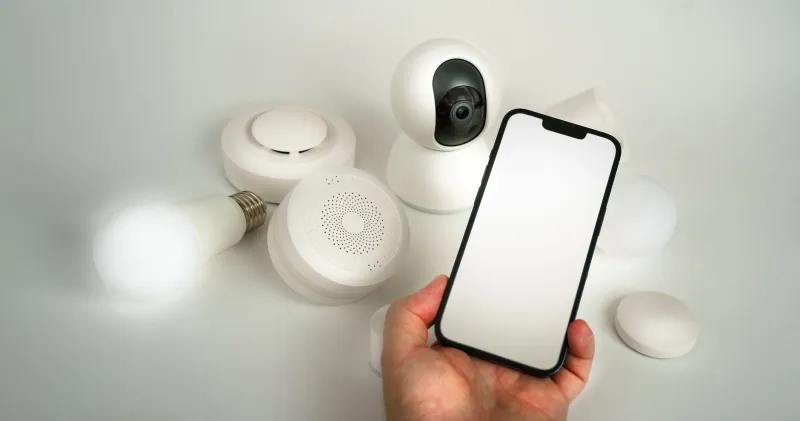
Somewhere between your smart refrigerator suggesting you reorder almond milk and your smart lock requiring a firmware update before you can get into your own house, something went sideways. The promise of a seamlessly connected life has, for a lot of people, quietly curdled into a daily negotiation with devices that seem to have opinions about how you should be living.
The word "smart" has been doing a lot of heavy lifting in consumer tech marketing for over a decade now. Slap it on a toaster, a sprinkler controller, a ceiling fan — suddenly it's a product for the future. But smartness, as it turns out, is not a feature. It's an outcome. And plenty of connected devices never actually get there.
The App Dependency Problem Nobody Talks About
Here's a scenario that's become almost a cliché: you buy a smart device, it works fine out of the box, and then six months later the manufacturer updates the companion app. Now half the settings have moved, the automation you carefully configured has vanished, and the device refuses to connect to your router until you re-pair it through a setup process that somehow takes longer than the original installation.
This is the hidden tax of connected living. When a device requires an app to function — not just to configure, but to function — you're not buying a product. You're buying into an ongoing relationship with a company's software team. And that relationship has terms you didn't agree to, updated without notice.
Smart TVs are a perfect example. The hardware itself is often excellent. But the operating systems running on them? They get slower over time, ads creep into the interface, and features you relied on get buried or removed entirely. A "dumb" TV connected to a dedicated streaming stick would have given you more control and a longer useful life. Smarter outcome, less smart branding.
WiFi Connectivity: The Achilles' Heel of the Connected Home
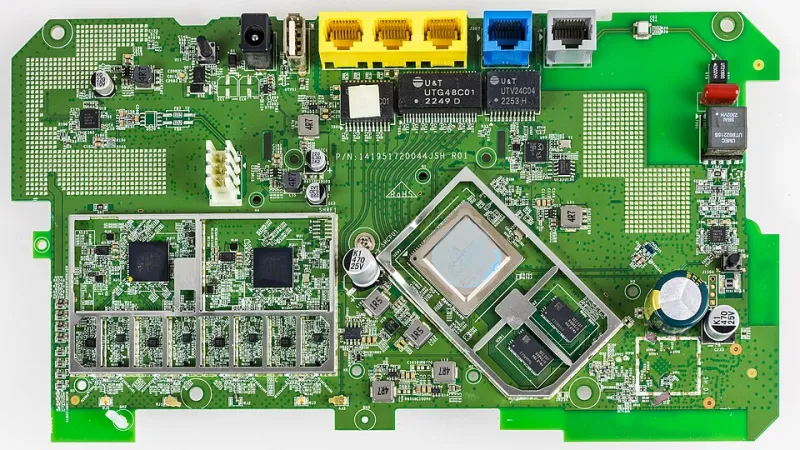
WiFi is the connective tissue of the smart home, which means every weakness in your network is amplified across every device depending on it. A 2.4GHz-only smart plug doesn't care that you upgraded to a mesh router system — it still needs to find that legacy band, and it will absolutely drop off the network at the worst possible time.
Then there's the sheer cognitive overhead of managing a home full of connected devices. Each one is a potential point of failure. Each one needs occasional attention — updates, re-pairing, troubleshooting. For tech enthusiasts who enjoy tinkering, this can be genuinely fun. For everyone else, it's just more stuff to babysit.
The irony is thick: devices marketed as time-savers are quietly consuming the time they were supposed to free up.
Which 'Smart' Features Actually Earn Their Keep
None of this means connected devices are a bad bet across the board. Some genuinely deliver. The key is understanding what problem you're actually solving before you buy.
Smart thermostats remain one of the clearest wins in the category. Products like the Ecobee or Google Nest learn your patterns, adjust automatically, and can meaningfully reduce energy bills — the kind of outcome that shows up in real numbers. The app interaction is optional after initial setup, and the core function works even when the internet goes down.
Smart lighting with physical controls is another strong category, specifically when it doesn't require you to use an app for basic on/off functionality. The moment a smart bulb means your partner can't turn off the bedroom light without unlocking their phone, you've created a problem that didn't exist before.
Video doorbells and smart locks deliver genuine peace of mind for a lot of households, but they come with real caveats — battery life, subscription fees for cloud storage, and the aforementioned firmware update problem. If your smart lock requires an internet connection to unlock, that's not smart design. That's a liability.
The pattern here is worth noting: the smart features that hold up over time tend to be ones where the connectivity enhances a core function rather than replacing it. When the smart layer fails, a good device should still work.
A Framework for Cutting Through the Marketing Noise
Before adding anything to your cart with "smart" in the product name, run it through a few honest questions.
Does this solve a real problem I actually have? Not a hypothetical problem, not a problem the product listing invented — a genuine friction point in your daily routine. Smart coffee makers that start brewing before you wake up sound useful until you realize you already have a programmable timer on your current machine.
What happens when the app goes away? Companies get acquired. Startups shut down. Support for older devices gets quietly dropped. If the device becomes a paperweight without its cloud service, that's a meaningful risk you're accepting.
How often will I actually interact with this thing? Some smart devices are genuinely set-and-forget. Others demand constant attention. Be honest about your tolerance for tech maintenance before you invite another needy gadget into your home.
Is the 'smart' version meaningfully better, or just more expensive? A smart power strip is useful if you're actually automating something. If you're just using it as a regular power strip with an app you'll open twice, you paid a premium for nothing.
The Real Definition of Smart
Here's the thing about actual intelligence, whether human or artificial: it makes hard things easier, not easy things harder. A truly smart device should reduce the number of decisions you have to make, not introduce new categories of problems.
The best connected tech disappears into your life. You stop thinking about it because it just works — reliably, consistently, without demanding your attention. That's a high bar, and a lot of products on the market today don't clear it.
The connected home is still a genuinely compelling idea. But the version worth building is one where you've been intentional about what earns a place in it. Not everything with an app and an antenna deserves a spot on your network — or in your life.
Smart is an outcome. Start demanding that the devices you buy actually deliver it.