Your Smart Home Isn't So Smart: The Fragmentation Problem Nobody Warned You About
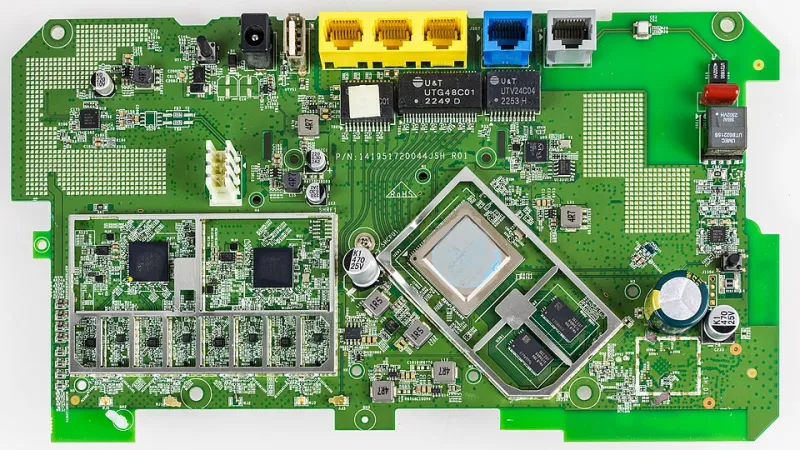
Photo: Raimond Spekking, CC BY-SA 4.0, via Wikimedia Commons
Let's be honest. The dream of a fully connected home — where your lights dim automatically when a movie starts, your thermostat adjusts when you leave, and everything responds to a single app — sounds incredible on paper. But for millions of American homeowners, the reality looks a lot more like a collection of apps, a drawer full of dongles, and a whole lot of frustration.
Smart home technology has been "almost there" for about a decade now. And yet, here we are in 2025, still arguing about why your Philips Hue bridge won't cooperate with your Amazon Echo without a workaround that requires a YouTube tutorial.
So what's actually going on? And more importantly, how do you shop smarter so you're not throwing money at devices that'll end up in a tech graveyard?
The Root of the Problem: Everyone Wanted to Be the Platform
The fragmentation issue didn't happen by accident. It's the predictable result of every major tech company — Amazon, Google, Apple, Samsung — deciding they wanted to own your home's digital nervous system. Each built their own proprietary ecosystem, their own communication protocols, and their own app experience. The idea was simple: get you hooked on their devices, and you'd keep buying within their walls.
The result? A chaotic landscape where a Nest thermostat plays nicely with Google Home but gets awkward with Alexa, where Apple HomeKit devices require specific hardware certifications, and where Samsung's SmartThings hub speaks its own dialect entirely.
For everyday consumers, this means a purchasing decision isn't just about price or features anymore. It's about picking a side in a tech cold war.
The Protocols: A Quick Breakdown
Under the hood, smart home devices communicate using wireless protocols — essentially, the language they use to send and receive commands. Understanding the main ones can save you from a very expensive mistake.
Zigbee has been around since the early 2000s and is widely used in devices from brands like Philips Hue, IKEA TRÅDFRI, and SmartThings. It's low-power, reliable, and creates a mesh network (devices relay signals to extend range). The catch? Zigbee requires a hub, and not all Zigbee devices from different manufacturers play nicely together despite sharing the same protocol.
Z-Wave is a similar mesh protocol, primarily used in security and home automation gear. It's more strictly regulated than Zigbee, which actually makes cross-brand compatibility slightly better — but adoption is narrower, and hubs are still required.
Wi-Fi is what most budget-friendly smart plugs and bulbs use. No hub needed, easy setup, but it clogs your router and is notorious for reliability issues, especially in larger homes.
Thread is the newer kid on the block — a low-power mesh protocol designed specifically to fix the problems with Zigbee and Z-Wave. It's built into newer Apple HomePod minis, Google Nest Hubs, and various other border routers. Thread is fast, reliable, and self-healing. But here's the thing: Thread is just a transport layer. It still needs an application layer on top of it to actually do anything useful. That's where Matter comes in.
Matter: The Promise vs. The Reality
Matter launched with enormous fanfare in late 2022, backed by Apple, Google, Amazon, and Samsung — basically the entire smart home industry agreeing to a single open standard for the first time. Devices certified for Matter should, in theory, work across all major platforms without the usual headaches.
And in some ways, it's working. Matter-certified devices do generally connect to multiple ecosystems. A Matter light switch can show up in both your Google Home and Apple Home apps simultaneously. That's genuinely new and genuinely useful.
But the reality is messier. Matter certification doesn't guarantee feature parity across platforms. You might be able to turn a light on through Apple Home, but advanced scheduling features might only work through the manufacturer's proprietary app. Some older devices can be updated to support Matter via firmware, but many cannot — meaning your existing smart home investment may not benefit at all.
The rollout has also been slower than expected. As of early 2025, the catalog of Matter-certified devices is growing but still limited compared to the broader market.
The Compatibility Matrix: Shop Before You Suffer
Before you buy anything for your smart home, run it through this quick mental checklist:
| Factor | Questions to Ask |
|---|---|
| Hub Requirement | Does this device need a separate hub? Is that hub included or sold separately? |
| Protocol | Is it Zigbee, Z-Wave, Wi-Fi, Thread, or Matter? |
| Platform Support | Does it officially support Alexa, Google Home, AND Apple HomeKit? |
| Matter Certified? | Check the Matter logo or the manufacturer's spec sheet. |
| App Dependency | Will key features stop working if the manufacturer's app goes offline or the company shuts down? |
| Local vs. Cloud | Does it process commands locally or route everything through a cloud server? (Local = faster and more reliable) |
If a device fails more than two of these checks, think twice — especially at a higher price point.
Which Ecosystems Actually Work in 2025?
If you're starting fresh or expanding an existing setup, here's a pragmatic look at where things stand:
Amazon Alexa has the widest device compatibility by sheer volume, but Amazon's commitment to smart home has wavered — they've scaled back Alexa hardware development and laid off much of the team. Alexa still works well for voice control, but betting heavily on it as your hub feels riskier than it did two years ago.
Google Home has improved dramatically after years of being behind. The Google Home app is more stable, and Google's Thread border routers (built into Nest Hubs) give it a solid foundation for Matter devices.
Apple HomeKit / Home is the most secure and privacy-forward option, with local processing being a major selling point. The downside is that it's the most restrictive — fewer compatible devices and a steeper price tag on certified hardware. If you're deep in the Apple ecosystem, though, it's genuinely seamless.
Home Assistant (self-hosted, open-source) is the wild card. It's not for casual users, but if you're willing to invest a weekend in setup, it offers unmatched flexibility, local control, and compatibility with virtually every protocol. For tech-savvy homeowners who are tired of being at the mercy of corporate roadmaps, it's worth serious consideration.
The Smarter Way to Build Your Home Setup
Here's the bottom line: the smart home fragmentation problem isn't going away overnight, but it is getting better — slowly. Matter is a genuine step forward, even if it hasn't delivered on its full promise yet.
The smartest move right now? Pick one primary ecosystem and buy Matter-certified devices wherever possible. Avoid deep investment in proprietary platforms without Matter support. And always check whether a device works locally or depends entirely on a cloud connection — because when that company's servers go down (and they do), you don't want to be locked out of your own home.
Smart shopping beats smart marketing every time. And at SmartX One, that's exactly the kind of edge we're here to give you.