Dead Devices, Real Money: How to Finally Cash In on the Tech Collecting Dust in Your Junk Drawer
The Drawer We All Have
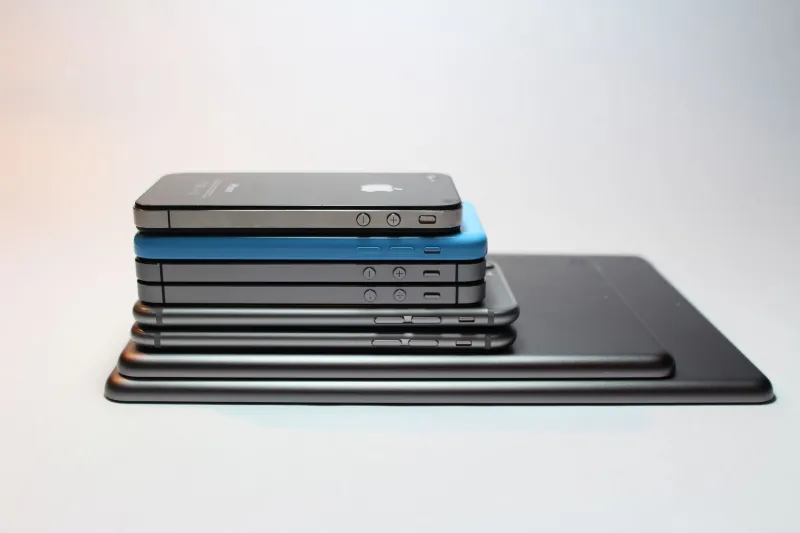
You know the one. It's in the kitchen, or maybe the bedroom nightstand, or possibly a cardboard box shoved under the bed. Inside: a tangle of charging cables for phones you no longer own, a tablet with a cracked corner, a laptop that takes four minutes to boot, and at least two pairs of earbuds you forgot existed.
If that sounds familiar, you're not alone. Americans collectively hold onto an estimated 5.3 billion unused electronic devices, according to research from the Consumer Technology Association. That's not a typo. Billions. And a huge chunk of that pile is sitting in drawers just like yours, slowly losing value with every passing month.
Here's the thing nobody really talks about: those devices aren't worthless. Not even close. And the longer you wait to do something about them, the more money you're quietly throwing away.
Why We Hoard Old Tech in the First Place
Let's be honest about the psychology here. Most people keep old devices for one of a few reasons. The "backup phone" justification is probably the most common — the idea that if your current device breaks, you'll have something to fall back on. There's also the sentimental angle (that was your first iPhone, after all), and plain old inertia. Getting rid of tech feels complicated, so it just... doesn't happen.
But the backup phone logic doesn't really hold up. If your main phone dies tomorrow, are you actually going to dig out that four-year-old device, track down a SIM card, and spend a day re-downloading apps? Probably not. You're going to run to the nearest carrier store or order something online. That "backup" is really just expensive clutter with a story you're telling yourself.
And expensive is the right word. That iPhone 12 sitting in your drawer? Depending on condition, it could fetch $150–$250 on the right resale platform right now. Wait another year, and that number drops significantly.
What Your Old Devices Are Actually Worth
The resale market for used consumer electronics is massive and surprisingly organized. A few places worth knowing:
Swappa is one of the cleaner peer-to-peer marketplaces specifically for phones, tablets, and laptops. Listings are verified, fees are reasonable, and you'll generally get closer to market value than you would at a carrier trade-in kiosk.
Back Market operates differently — it's a refurbishment platform that buys devices, reconditions them, and resells them with a warranty. You won't get top dollar here, but the process is dead simple and they handle everything.
Apple Trade In and Samsung Trade-Up programs are convenient but notoriously low-ball. They're worth using if you're buying a new device from them anyway and want to reduce the out-of-pocket cost, but as standalone cash options, third-party platforms almost always beat them.
eBay still works for certain categories — especially older laptops, niche tablets, and accessories. The audience is broad, and if you're willing to deal with the listing and shipping process, you can sometimes find buyers willing to pay a premium for specific models.
Facebook Marketplace and OfferUp are solid for local sales, which means no shipping headaches. Great for bulkier items like monitors, desktop setups, or older gaming hardware.
A quick gut-check on value: an iPhone 13 in good condition is currently trading around $300–$400 depending on storage. A Samsung Galaxy S21 might net you $150–$200. Even a three-year-old iPad can pull $100–$150. Older MacBooks, if they're in decent shape and still running a supported OS, can command $300 or more. These aren't life-changing numbers, but they're real money — especially if you've got more than one device in that drawer.
The Environmental Case Is Just as Compelling
Beyond the financial angle, there's a genuinely important reason to get old devices out of your home and into the right hands: e-waste is one of the fastest-growing waste streams in the world, and the US is a major contributor.
Electronic devices contain materials — lithium, cobalt, rare earth elements — that are energy-intensive and environmentally damaging to extract. When a working device gets tossed in a landfill, that entire manufacturing footprint becomes waste. When it gets refurbished and resold, it displaces the need to manufacture a new device. That's a meaningful difference.
For devices that genuinely can't be resold — broken screens, dead batteries, water damage — responsible recycling still matters. Best Buy's trade-in and recycling program accepts a wide range of electronics regardless of condition and keeps them out of landfills. Call2Recycle has drop-off locations nationwide for batteries specifically. The EPA's eCycling program can help you find certified recyclers in your area.
One thing to avoid: those sketchy "we buy electronics" kiosks you see in mall corridors. Some are fine, but the category has a mixed track record when it comes to data security and where devices actually end up.
Before You Sell or Recycle: Do This First
This part matters more than most people realize. Before any device leaves your hands:
- Back up everything. iCloud, Google Photos, whatever your backup method is — do it one more time before you wipe.
- Sign out of all accounts. Apple ID, Google account, Samsung account, everything. This is critical for resale and for your own security.
- Factory reset the device. For iPhones, that's Settings > General > Transfer or Reset iPhone > Erase All Content. For Android, it varies slightly by manufacturer but lives in the Settings menu under General Management or System.
- Remove any SIM or SD cards. Sounds obvious, but it gets forgotten more often than you'd think.
- Document the condition honestly. If you're selling, photos of any scratches or damage protect you from disputes later.
Is Keeping One Backup Device Ever Smart?
Sometimes, yes. If you travel internationally and want a dedicated device for a local SIM, keeping an older unlocked phone makes sense. If you have kids and want a dedicated device for them that you're not worried about breaking, an older iPad or tablet is a legitimate use case.
But one device for a specific purpose is very different from three phones, two tablets, and a laptop sitting in a box because you haven't gotten around to dealing with them. Be honest about whether you're making a strategic decision or just procrastinating.
The Smarter Move
There's a version of tech ownership that's more intentional — where you're not just upgrading constantly and letting old devices pile up, but actually closing the loop when you move on from a device. Sell it, donate it to an organization like PCs for People or Human-I-T that refurbishes devices for underserved communities, or recycle it responsibly.
Your drawer will thank you. Your wallet probably will too.